If you have never had physiotherapy at home before, it is natural to feel a little unsure about what will happen. The good news is that a first home physiotherapy visit is relaxed and unhurried. It is a one-to-one session in your own space, on your own terms, with a qualified physiotherapist who comes to you.
There is no waiting room, no rushing, and no need to travel while you are sore or unsteady. Instead, your physiotherapist has time to understand your situation properly and to see how you move in the environment where daily life actually happens. This article walks through what typically takes place, so you know what to expect before, during, and after that first appointment.
Before your visit — how to prepare
You do not need to do anything elaborate to prepare, but a few small things help the session run smoothly.
- Wear comfortable, loose clothing you can move in easily, such as a t-shirt and soft trousers or shorts. This makes it easier to assess joints and muscles.
- Have any relevant paperwork ready, such as referral or discharge letters, scan or X-ray results, and a list of your current medications.
- Clear a small space to move, roughly the size of a yoga mat, so you can walk a few steps, sit, and stand comfortably. A sturdy chair nearby is useful.
- Invite a family member or caregiver to join if you would like. They are welcome, and it often helps for someone who supports you day to day to hear the plan.
- Write down your questions and goals. Whether your aim is to climb stairs again, walk to the coffee shop, return to sport, or simply move with less pain, sharing this helps shape your care.
If you are unsure whether something is relevant, bring it up anyway. Your physiotherapist would rather have too much information than too little.

The assessment: what your physiotherapist will do
The first visit centres on a thorough assessment. This is a conversation as much as an examination, and nothing is rushed.
History and goals
Your physiotherapist will ask about your symptoms — when they started, what makes them better or worse, and how they affect your daily life. They will also ask about your medical background, past injuries or surgeries, and what you hope to achieve. This helps them understand not just the problem, but what matters most to you.
Physical assessment
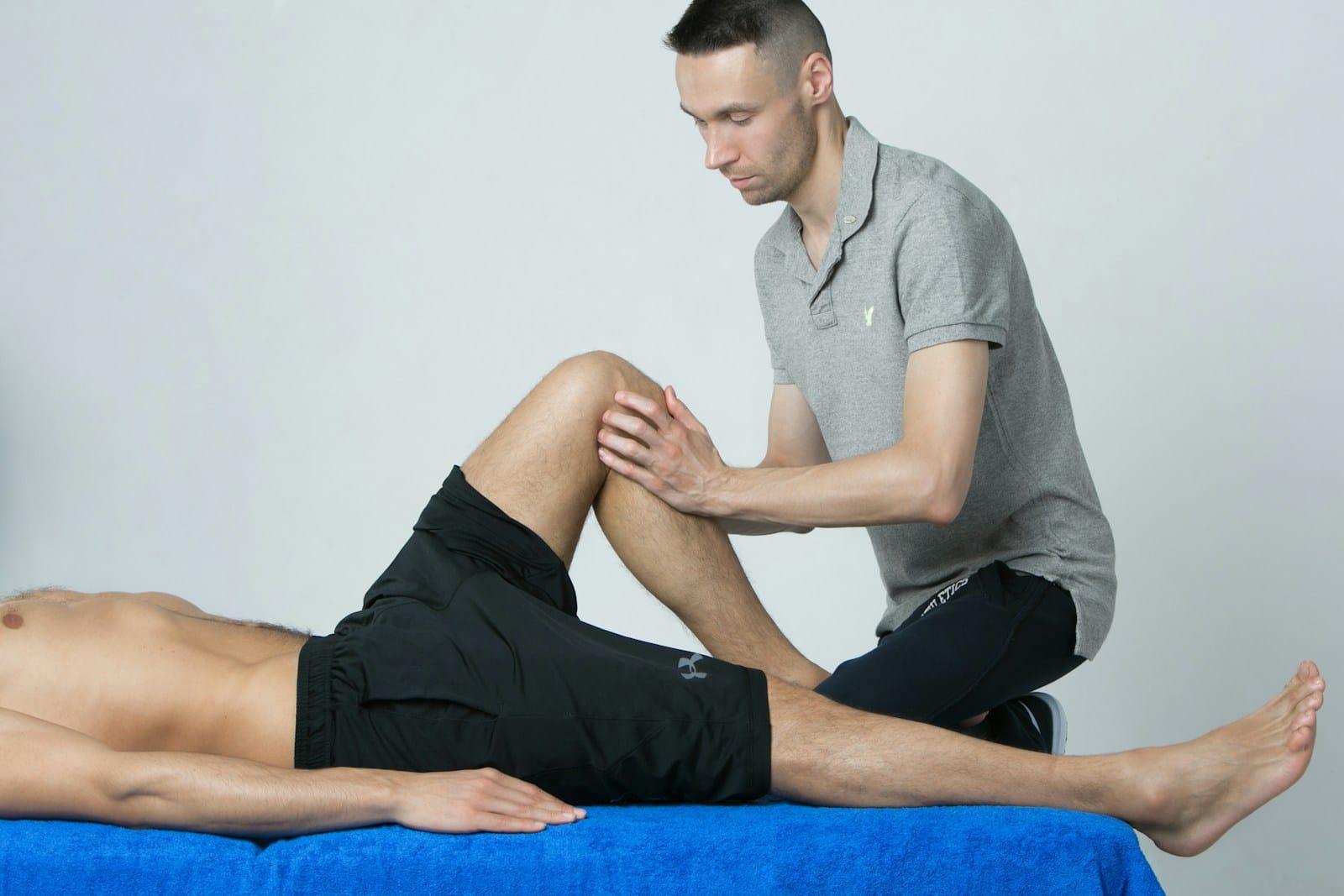
Depending on your condition, the physical assessment may include looking at how you move, testing muscle strength, checking joint range and flexibility, and observing your balance and posture. These checks are gentle and guided by what you can comfortably do. You are always in control, and you can pause at any point.
How you manage at home
One of the advantages of a home visit is that your physiotherapist can see you in your actual living environment. They may watch how you get in and out of a chair or bed, walk between rooms, or manage steps and thresholds. They may also note home-safety factors such as loose rugs, lighting, or the need for a grab rail. This real-world view often reveals practical opportunities that a clinic visit cannot.
Throughout the assessment, feel free to ask questions. Understanding what your physiotherapist is checking, and why, is part of the process.
Starting treatment
Once your physiotherapist has a clear picture, treatment can often begin in the same visit. What this looks like depends on your needs and comfort, and may include:
- Hands-on treatment as appropriate, such as gentle mobilisation, soft-tissue work, or guided movement.
- A few starter exercises shown and practised with you, so you feel confident doing them correctly on your own.
- Practical home-safety suggestions, such as how to arrange furniture, use a walking aid safely, or set up a space for your exercises.
Your physiotherapist will explain each step and check in with you as they go. Treatment is always adjusted to what feels manageable on the day.

Your personalised home plan
Before the visit ends, your physiotherapist will outline a plan tailored to you. This usually covers:
- What to practise — a small, clear set of exercises or activities.
- How often — realistic frequency that fits around your daily routine.
- What to expect next — a general sense of how things may progress and what to watch for.
The aim of the first visit is to get you started safely and confidently, not to overwhelm you. Follow-up visits then build on this foundation, progressing your exercises and adjusting the plan as you improve.
How long does the first visit take?
A first home physiotherapy visit typically takes around an hour, because the initial assessment is detailed. The exact length varies depending on your condition, how the assessment unfolds, and whether treatment begins on the same day. Your physiotherapist will let you know if more or less time is expected, and the session is paced to suit you rather than a clock.
Do I need a doctor's referral?
In most cases you can self-refer for a physiotherapy assessment, meaning you do not need a doctor's letter simply to be seen. If your situation calls for medical clearance first — for example after certain surgeries or with specific medical conditions — the team will advise you and can coordinate with your doctor where needed. Because circumstances differ, it is best to confirm what applies to your specific situation when you enquire.
Payment and what happens after
Home physiotherapy is arranged on an enquiry basis rather than through fixed online prices, so that care can be matched to your needs. When you get in touch, the team will explain how sessions work and what is involved for your situation before anything is confirmed.
There is no charge until after your visit has taken place. Once your first session is complete and you have your plan, any follow-up appointments are arranged at a schedule that suits you. Between visits, you can reach the team by WhatsApp or phone if you have questions about your exercises or want to check in about your progress.
Tips to get the most from your visit
- Be open about your symptoms, worries, and goals — nothing is too small to mention.
- Ask questions whenever something is unclear.
- Have a family member or caregiver present if that helps you feel supported.
- Wear clothing you can move comfortably in.
- Keep a simple note of what changes your symptoms, so you can share it.
- Try the starter exercises soon after the visit, while they are fresh.
You are in good hands
A first home physiotherapy visit is simply a friendly, thorough conversation combined with a careful assessment, all in the comfort of your own home. There is nothing to be nervous about, and every step is explained as it happens.
If you or a loved one would benefit from physiotherapy at home in Singapore, you are welcome to request a visit. Share a few details about your situation, and the team will guide you from there — at a pace that feels right for you.