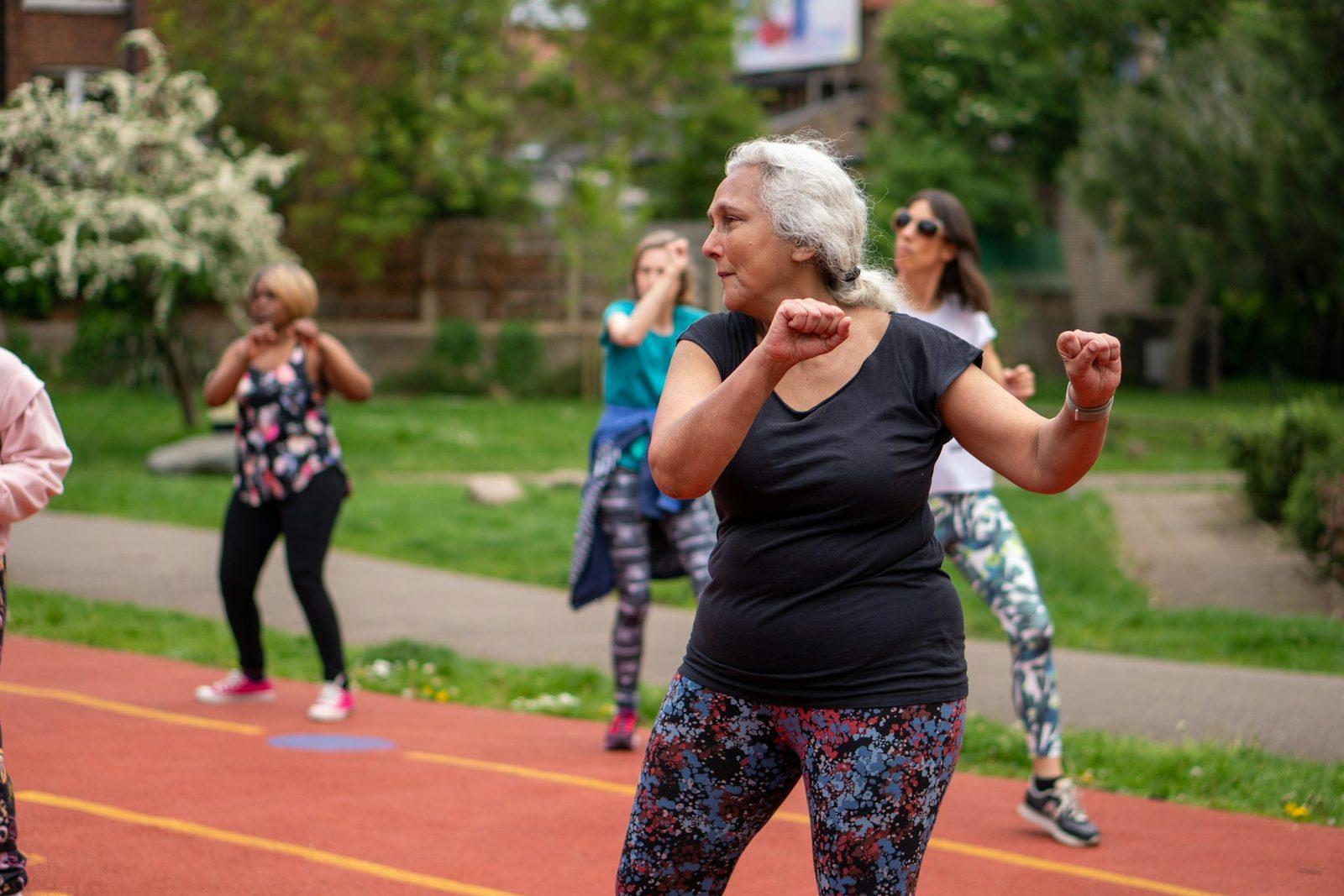
Frailty is one of the most misunderstood words in ageing. It is often used loosely to mean "old" or "not very strong," but in medicine it describes something more specific: a measurable state in which the body has less reserve to withstand illness, injury, or stress. Two people of the exact same age can have very different frailty status — and that status, not age on its own, is what predicts whether a minor illness turns into a hospital admission, or a small stumble turns into a fracture.
The encouraging part is what the research shows next: frailty is not a one-way street. Structured exercise, delivered as physiotherapy, is one of the few interventions with strong evidence behind it — not just for slowing frailty, but in some cases reversing it.
What frailty actually means
The most widely used clinical definition, the Fried Frailty Phenotype, identifies frailty by the presence of at least three of five signs: unintentional weight loss, self-reported exhaustion, low grip strength, slow walking speed, and low physical activity. Someone with one or two of these signs is classed as "pre-frail" — an important warning stage, because it is often where intervention has the most impact before decline accelerates.
Frailty is common, and becomes more common with age:
- Globally, pooled data across 21 studies put frailty prevalence at around 10.7% of community-dwelling older adults, though the range varies widely (4–59%) depending on how it is measured.
- In Singapore, the HOPE Study of over 1,000 community-dwelling older adults found 6.2% were frail and 37% were pre-frail — meaning close to half of the older adults studied were already on the frailty spectrum, even while still living independently in the community.
That pre-frail group matters most for physiotherapy, because it is the stage where structured exercise has the clearest opportunity to change the trajectory.
Why frailty matters beyond "feeling weaker"
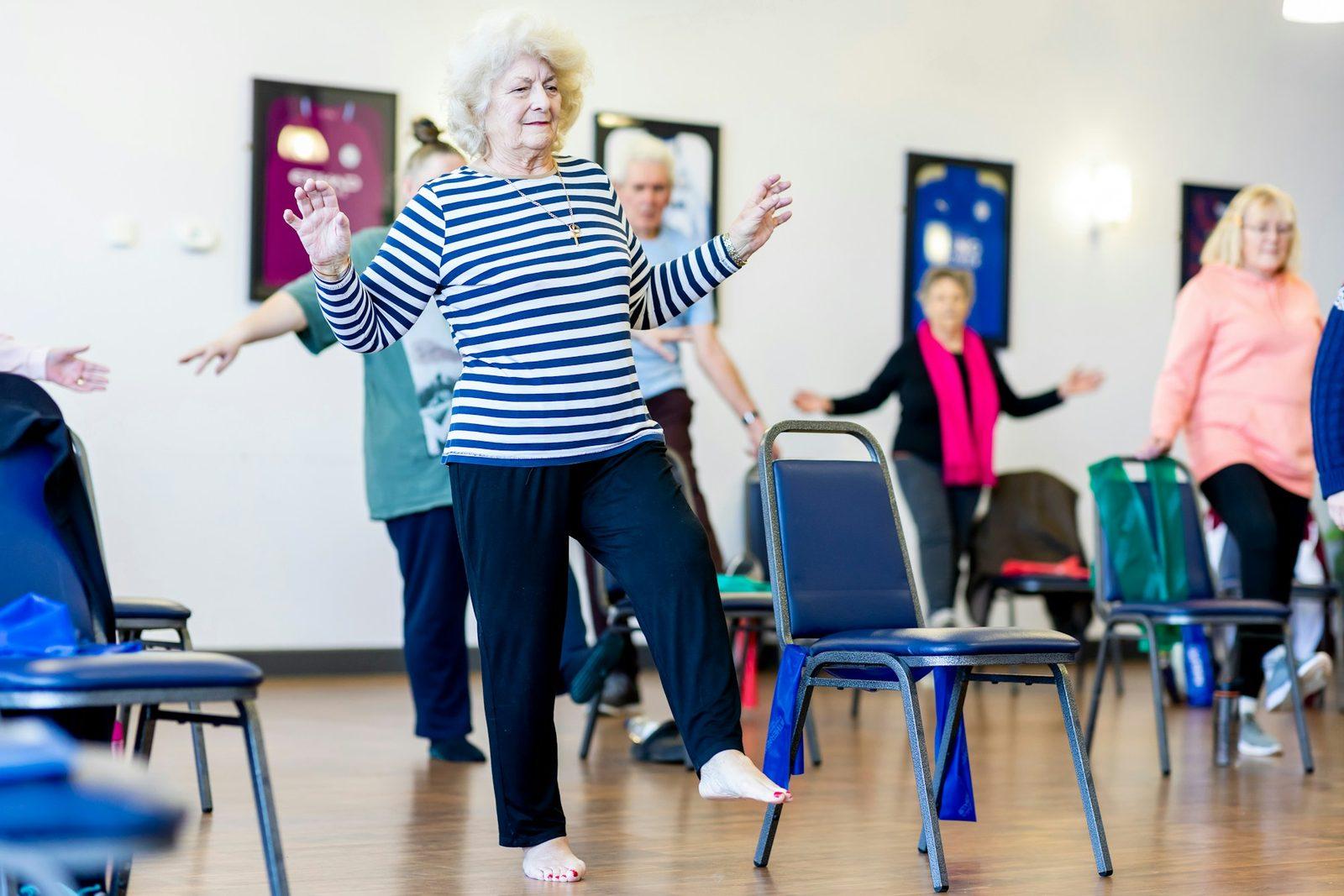
Frailty is not just a subjective sense of slowing down — it is strongly linked to serious outcomes. A widely cited meta-analysis found frail older adults face:
- 1.8 to 2.3 times higher mortality risk compared with non-frail peers
- Roughly double the risk of losing the ability to perform basic daily activities, such as bathing or dressing
- Higher rates of hospitalisation, and once hospitalised, longer and more complicated recoveries
Falls are a particular concern. A meta-analysis covering over 68,000 older adults found frailty nearly doubled the odds of a future fall (odds ratio 1.84), while even pre-frailty raised the risk. Locally, a Singapore study found frail community-dwelling older adults had over 13 times the hospitalisation rate of their more robust peers in the following six months.
These numbers explain why frailty is treated as a medical priority, not simply an inevitable part of ageing to be accepted passively.
The evidence: exercise can slow, and sometimes reverse, frailty
This is where physiotherapy comes in. Several well-designed trials — including Cochrane systematic reviews, the gold standard for medical evidence — have tested whether structured exercise programmes can actually change frailty outcomes, rather than just make people feel better.
A landmark 1994 trial in frail nursing-home residents (mean age 87) is still one of the most striking demonstrations. Ten weeks of high-intensity progressive resistance training produced a 113% increase in muscle strength, compared with just 3% in a non-exercising control group — alongside real gains in walking speed and stair-climbing power. This was not a healthy, active population; these were among the frailest older adults typically encountered in care.
Error bars show standard error. Source: Fiatarone MA et al., “Exercise Training and Nutritional Supplementation for Physical Frailty in Very Elderly People,” New England Journal of Medicine, 1994.
A 2022 Cochrane review pooling 12 randomised trials across 9 countries (1,317 participants, mean age 82) found high-certainty evidence that mobility and exercise training improves mobility in frail older adults, with moderate-certainty evidence for improved day-to-day functioning — benefits that were still present at 6-month follow-up.
The Vivifrail multicomponent trial, in frail and pre-frail adults over 75, measured physical function using the Short Physical Performance Battery (SPPB), a standard 0–12 point test of balance, gait speed, and chair-rise ability. The exercise group improved by 0.86 points at one month and 1.4 points at three months, while the usual-care comparison group's scores fell over the same period.
Source: Casas-Herrero Á et al., “Effects of Vivifrail multicomponent intervention on functional capacity,” Journal of Cachexia, Sarcopenia and Muscle, 2022.
The LIFE Study, a large trial of over 1,600 sedentary older adults, found that a structured physical activity programme reduced the risk of major mobility disability — the loss of ability to walk independently — by 18% compared with a health-education control, over an average follow-up of 2.6 years.
Taken together, these are not small or short-lived effects. They represent some of the strongest evidence in geriatric medicine for a single intervention changing the trajectory of frailty.
What an effective programme actually includes
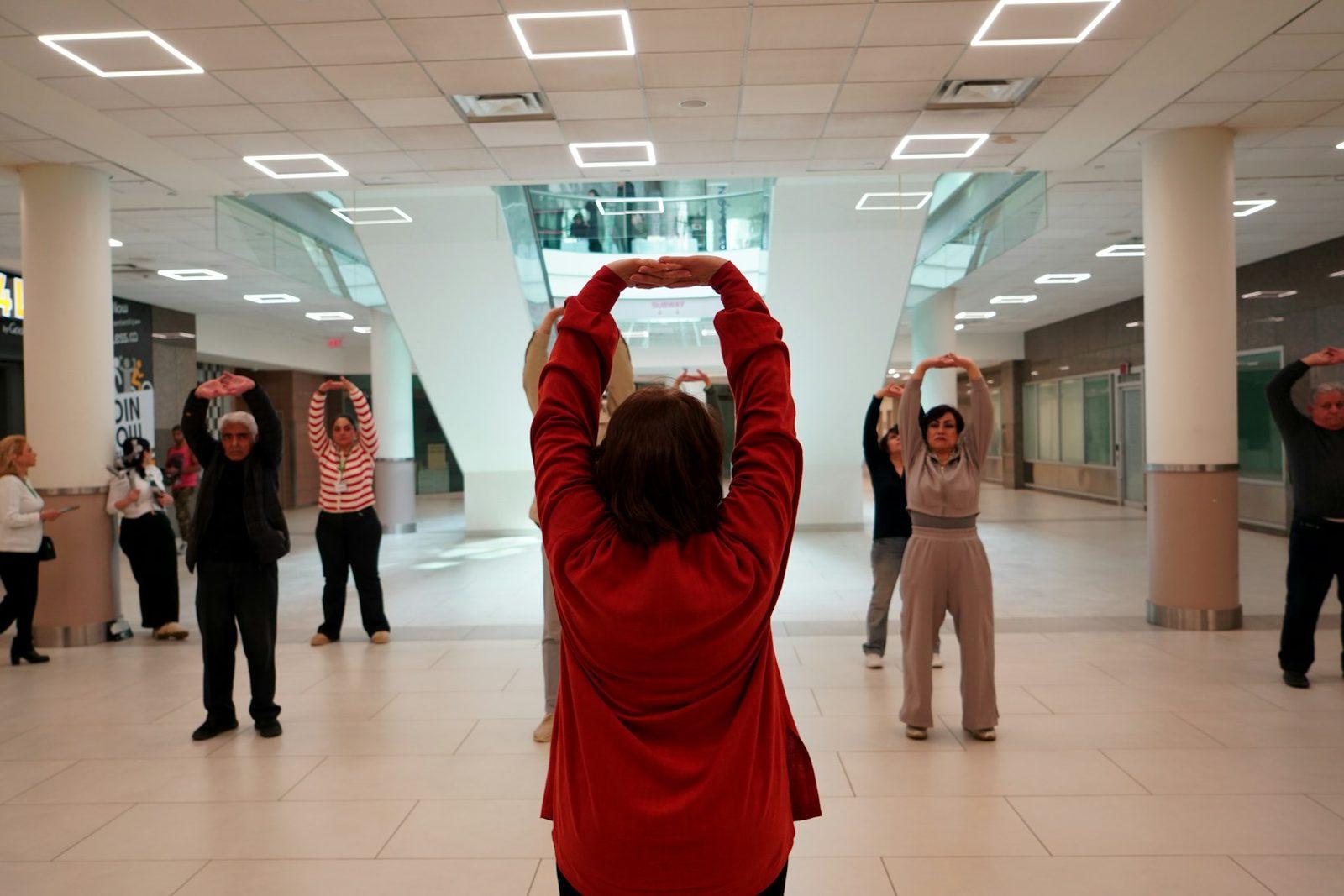
The evidence points to a few specific ingredients, which is why frailty-focused physiotherapy tends to look different from general "staying active" advice:
- Progressive resistance training. A Cochrane review of 121 trials (over 6,700 participants) found resistance training produced a large improvement in muscle strength and a modest but real improvement in walking speed. The key word is progressive — resistance is gradually increased as strength improves, which is difficult to self-manage safely without guidance.
- Balance training. A Cochrane review of over 23,000 participants found exercise reduced the rate of falls by 23% overall. Programmes combining balance and resistance training performed best, cutting fall rates by 34%, compared with 24% for balance-focused exercise alone.
- Gait and walking practice. Structured walking and functional training has been shown to meaningfully improve walking distance and everyday walking speed, both closely tied to independence.
- Nutrition, alongside exercise. Several trials show that pairing resistance training with adequate protein intake produces greater gains in muscle mass and leg strength than exercise alone — a reminder that frailty care often benefits from combining physiotherapy with dietary guidance.
What these components have in common is that they are individually dosed and progressed — which is the core role a physiotherapist plays. Generic exercise advice, or exercise that is too cautious to create a training effect, does not reliably produce the outcomes seen in these trials.
What this means in practice
If you or a family member are showing early signs of frailty — slower walking, reduced grip strength, tiring more easily, or a recent fall — the evidence is clear that this is not simply something to accept as inevitable ageing. A physiotherapist can assess frailty status properly, using the same kinds of measures used in the research above, and build a programme that progresses safely from wherever someone is starting.
For many older adults, especially those who find travelling to a clinic difficult or who feel more confident exercising in a familiar environment, home-based physiotherapy offers a practical way to begin this kind of structured, progressive programme — starting at whatever level is safe, and building from there.
Frailty is a signal, not a sentence. The research consistently shows that the right kind of movement, guided and progressed appropriately, is one of the most effective tools available for changing its course.