
Choosing where to do your physiotherapy — at home or at a clinic — is a common question after an injury, surgery, or a diagnosis that affects how you move. Both settings share the same goal: helping you recover function, reduce pain, and get back to the activities that matter to you. The main difference is the environment in which the treatment happens, and which environment fits your condition, your mobility, and your daily life.
There is no single right answer for everyone. The better choice depends on your specific situation. This guide explains what each option involves, when each one tends to work best, and how to think through the decision.
What is home physiotherapy?
Home physiotherapy is treatment delivered by a qualified physiotherapist who comes to your residence. Sessions are one-to-one and take place in the same space where you actually live and move — your bedroom, stairs, bathroom, or living room.
A typical home session may include:
- Assessment of your movement, strength, balance, and pain
- Hands-on (manual) therapy techniques
- A guided exercise programme using body weight and portable equipment
- Practical training on everyday tasks, such as getting in and out of bed, climbing your own stairs, or moving safely around your home
- Education for you and your family or caregivers
Home physiotherapy suits people who find it difficult, unsafe, or impractical to travel to a clinic, as well as those who benefit from being treated in their real-world environment.
What is clinic physiotherapy?
Clinic physiotherapy takes place at a dedicated facility. You travel to the clinic for scheduled appointments, where a physiotherapist assesses and treats you using the clinic's space and equipment.
Clinics often have resources that are hard to replicate at home, such as:
- Large gym areas with a wide range of weights and machines
- Isokinetic and resistance equipment for detailed strength testing and training
- Hydrotherapy pools for low-impact, water-based rehabilitation
- Certain electrotherapy and imaging-supported modalities
Clinic physiotherapy suits people who are mobile enough to travel and whose rehabilitation benefits from specialised equipment or a gym environment.

When home physiotherapy makes sense
Home physiotherapy is often a strong fit in these situations:
- After surgery. In the early weeks following joint replacement, spinal surgery, or fracture repair, travel can be painful and tiring. Being treated at home reduces that burden while you rebuild movement.
- After a stroke or other neurological event. Practising walking, transfers, and daily tasks in your own home helps skills carry over directly to real life.
- Older adults and those at risk of falls. A physiotherapist can assess your actual home for trip hazards and train balance where falls are most likely to happen.
- Limited mobility. If leaving the house is difficult or requires assistance, home visits remove a significant barrier to consistent care.
- Busy schedules. Removing travel and waiting-room time can make it easier to keep appointments and stay consistent — and consistency is one of the biggest factors in recovery.
- Real-environment training. Some goals are best addressed where they occur, such as managing a specific staircase, a low sofa, or a narrow bathroom.
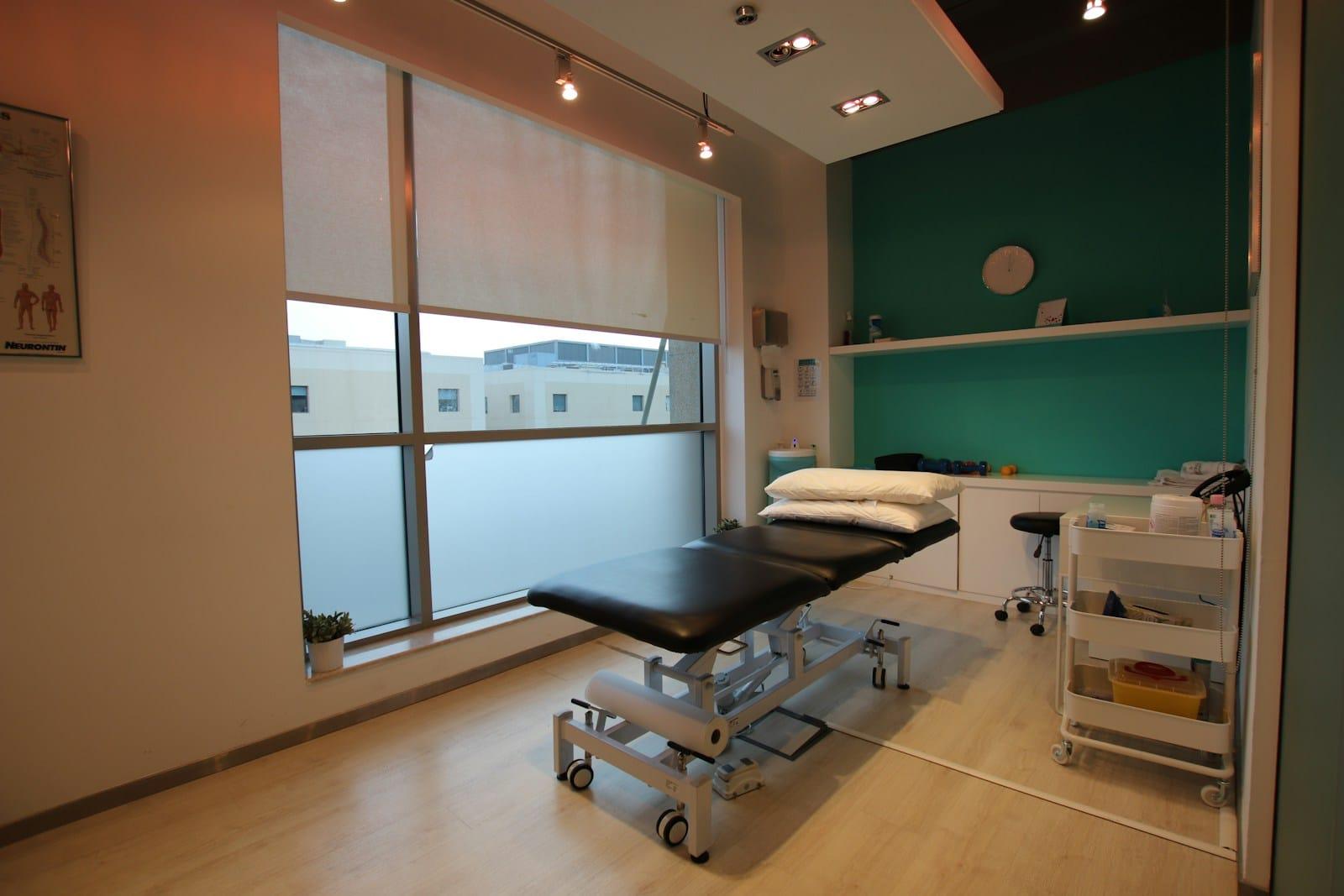
When a clinic is the better choice
Being honest about this matters. In several situations, a clinic is genuinely the better setting:
- You need specialised equipment. Hydrotherapy pools, large weight machines, and isokinetic testing equipment cannot be brought into a home. If your rehabilitation depends on these, a clinic is the right place.
- Later-stage strength and sports rehabilitation. As you progress toward higher loads, running mechanics, or return-to-sport testing, a fully equipped gym offers resistance and measurement tools that a home setup cannot match.
- Certain modalities and assessments. Some treatments and objective strength or performance tests are only practical with clinic-based equipment.
If your physiotherapist recommends a clinic for part of your recovery, that recommendation is about giving you the best tools for that stage — not a reflection of one setting being universally superior.
Does home physiotherapy work as well as clinic physiotherapy?
For a large part of rehabilitation, the setting matters less than two things: the skill of the physiotherapist and how consistently you follow the programme.
Much of modern physiotherapy is built on tailored exercise and education rather than machines. A well-designed, progressive exercise plan, delivered by a qualified physiotherapist and performed consistently, can be effective whether it happens at home or in a clinic. In fact, treating people in the environment where they move can help exercises translate into everyday function.
At the same time, some conditions and later rehabilitation stages genuinely benefit from clinic equipment. The most accurate answer is that home and clinic physiotherapy are complementary. Many people do well entirely at home; others do best with a mix, starting at home and moving to a clinic as they progress, or the reverse.
Cost and convenience
Cost and convenience often influence the decision, and it helps to look at the full picture rather than the session fee alone.
- Convenience. Home visits remove travel, parking, and waiting time. For someone with limited mobility or a demanding schedule, this saved time and effort is significant.
- Total cost. A home visit may cost more per session than a clinic appointment, because the physiotherapist travels to you and treats one person at a time. However, when you factor in transport costs, time off work, and any help needed to get to a clinic, the overall difference can narrow.
- Value of consistency. The most cost-effective physiotherapy is the one you actually complete. If home visits make it realistic for you to attend and follow through, that consistency carries real value.
Many home physiotherapy services also let you speak with someone and arrange an assessment before any charge applies, so you can understand the plan before committing. Specific pricing for this service is available elsewhere on the site.
How to choose
A simple way to think through the decision is to consider four questions:
- Your condition and stage. Early post-surgery or neurological recovery often favours home care; later-stage strength or sports rehabilitation may favour a clinic.
- Your mobility. If travelling is painful, unsafe, or requires help, home physiotherapy removes a major obstacle.
- Your goals. If your aim is safe daily function at home, real-environment treatment is valuable. If your aim involves high-load strength or return to sport, clinic equipment may be important.
- Travel and time. Weigh the time, cost, and effort of getting to a clinic against the convenience of being seen at home.
If you are unsure, you do not have to decide alone. A physiotherapist can review your situation and recommend the setting — or combination of settings — that fits you best.
Getting started
The right choice is the one that helps you recover safely and consistently. For many people, home physiotherapy offers a practical, effective way to do that; for others, a clinic or a blend of both is the better path. If you would like guidance tailored to your condition, you can request a home visit or speak with a physiotherapist who can talk through your goals and help you decide on the most suitable approach.